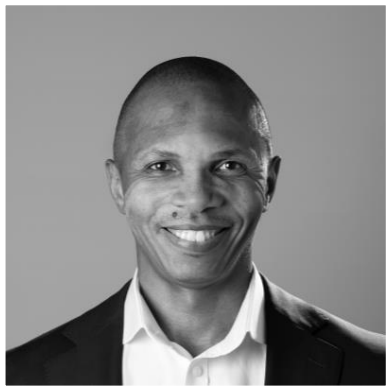
From the dusty edges of South African townships to the wide-open space of the rural bush, Tumelo Matjekane’s journey into conservation didn’t follow a traditional path — and that’s exactly what makes his story so powerful.
“I grew up in the township, where life was always busy and full of energy,” Tumelo recalls. “But during school holidays, I’d visit my grandparents in the rural areas. Those times were very special to me — being surrounded by nature, wildlife, and a simpler way of life helped me develop a deep appreciation for the environment from a young age.”
That early connection to the land stayed with him. Years later, a chance encounter changed everything. Tumelo was offered the opportunity to manage a project focused on protecting rhinos — despite having no formal background in conservation. He took the leap. “It was a major turning point in my life,” he reflects. “Best decision of my life.”
That experience not only exposed Tumelo to the complex realities of conservation, but also revealed its shortcomings — especially the ways in which traditional models often sidelined the very communities living closest to protected areas. It was during this time that he developed a profound understanding of the shared responsibility we all hold in safeguarding endangered species for future generations. As he continued his journey, Tumelo began connecting with others who had reached similar conclusions: rangers, development experts, conservationists, law enforcement professionals, educators, and grassroots leaders. What began as conversations grew into collaboration — and ideas soon evolved into action.
In 2025, Tumelo and this diverse team officially launched Beyond Conservation, a nonprofit with a bold mission — restoring relationships between people and nature.
“Beyond Conservation was born out of a simple but powerful realization,” Tumelo says. “If we wanted to make a real, lasting impact on the natural world, we had to think differently.”
A Bridge, Not a Barrier
At its heart, Beyond Conservation challenges the idea that people and wildlife must exist in separate worlds. “Traditional conservation efforts often focused solely on wildlife — and while that’s important, it’s not enough,” Tumelo explains. “We realized that without bringing people into the heart of conservation, the work would always fall short.”
Rather than fencing communities out of protected areas, Beyond Conservation brings them in — as partners, leaders, and long-term stewards.
“Conservation should be a bridge, not a barrier,” Tumelo says. “We’re building that bridge — creating spaces where wildlife and people can thrive together.”
What sets Beyond Conservation apart is its layered, integrated approach. They combine field-level protection with intelligence-sharing, policy advocacy, and international cooperation. Their teams train rangers and area managers in everything from operations room management to digital forensics — powerful tools that help detect, track, and disrupt illegal wildlife trafficking. They work closely with police and border authorities, strengthening communication and coordination in places where silos too often slow progress. And through it all, they invest in people — the individuals on the ground who face the realities of conservation every day.
From Protection to Prevention
Wildlife crime remains one of the most urgent threats to Africa’s biodiversity, and Beyond Conservation has made it a core pillar by taking a dual approach — blending enforcement with community-led prevention.
“We focus on building strong partnerships with rangers, local communities, and law enforcement,” Tumelo says. “But just as importantly, we invest in people — making sure frontline teams are supported not just with resources, but with respect, recognition, and a sense of purpose.”
Criminal networks don’t stop at national borders — and neither does Beyond Conservation. Their model is global by design – anticipating threats, cutting off illegal trade routes, and dismantling trafficking networks at their source.
“We believe that when local people have economic opportunities and a stake in conservation – they become the strongest protectors of wildlife.”
Training the Next Generation
One of Beyond Conservation’s most promising initiatives is the Wildlife Conservation Training Centre of Excellence — a facility designed to build real-world capacity for rangers and conservation managers through hands-on, comprehensive training.
“The facility will serve as a hub for knowledge sharing,” Tumelo explains. “A place where experts and practitioners can exhange ideas, develop new skills, and create solutions to conservation challenges.”
Programs range from digital surveillance and field intelligence to long-term mentorship, train the trainer and community engagement. The goal is to equip rangers, managers, and local leaders with practical tools they can take directly into the field — and into their futures.
Conservation Through Livelihoods
Tumelo is focused on the links between poverty and environmental degradation. That’s why Beyond Conservation integrates alternative livelihoods into every conservation strategy — reducing reliance on wildlife resources while creating new paths for economic opportunity.
“This approach provides communities with sustainable income sources,” he says. “thereby reducing reliance on harmful practices and improving overall well-being of the community”
Ultimately, Tumelo hopes Beyond Conservation will be known not just for saving species, but for transforming systems — changing the way conservation is practiced, understood, and sustained.
“No one organization can do this alone,” he says. “We believe in partnerships — with governments, nonprofits, communities, and funders who share our vision. Conservation is not just about passion. It’s about commitment. It’s about building something that lasts.”
“Collaboration is everything,” Tumelo emphasizes. “No single person, organization, or government can tackle these challenges alone. The threats we face today – from wildlife crime to habitat loss, are complex, interconnected and global”
The Road Ahead
Looking ahead, Beyond Conservation has set an ambitious course to reshape the conservation landscape across Southern Africa, built on three interconnected pillars — Conservation & Combatting Wildlife Crime, Community Stewardship & Conservation Agriculture, and Community & Leadership Development . Over the next several years, Beyond Conservation aims to expand its reach by empowering thousands of people through practical skills, jobs, and leadership opportunities tied to protecting the natural world as well as restoring landscapes through community stewardship, and strengthening wildlife crime units in dismantling wildlife crime networks in an effort safeguard key species.
“Ultimately, we want to be known not just for saving species,” Tumelo says, “but for building systems where both nature and people thrive — together.”
At Focused Conservation, we’re proud to share Tumelo Matjekane’s story — and the story of Beyond Conservation. It’s a reminder that true conservation isn’t just about protecting what’s wild. It’s about empowering what’s possible when people are given the tools, the voice, and the opportunity to lead.