Date: July 24, 2025
Location: Nyakasharu, Western Uganda
In a decisive win for elephant conservation, the Uganda Wildlife Crime Unit (UWCU) — supported by Focused Conservation, rangers from Queen Elizabeth National Park, and local police — carried out Operation Glory, a targeted investigation aimed at disrupting ivory poaching networks operating near the park.
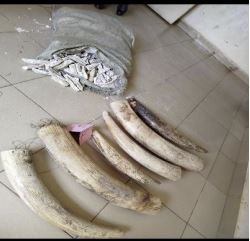
The joint operation led to the arrest of two local individuals found in possession of 35 kilograms of elephant ivory, all of which was seized as evidence. The suspects were transported to Kampala, where they now face criminal charges for wildlife trafficking.
Queen Elizabeth National Park, one of Uganda’s most treasured protected areas, spans diverse habitats that support an extraordinary range of wildlife, including African savannah elephants, lions, hippos, buffaloes, and chimpanzees. The park is home to a portion of Uganda’s estimated 5,000 elephants and serves as a vital component of the nation’s ecological health and tourism economy.
Despite years of conservation progress, the park faces sustained poaching pressure. Elephant populations across Africa remain threatened by a combination of habitat loss, human-wildlife conflict, and the illegal ivory trade, which continues to fuel demand in international black markets.
Uganda remains a strategic hub in the illegal wildlife trade, with nearly 10 metric tonnes of ivory seized by authorities over the past five years — along with rhino horn, pangolin scales, and other illicit wildlife products. Operations like this highlight the country’s frontline role in the global effort to dismantle wildlife trafficking networks.
The success of Operation Glory hinged on the combined expertise of all involved. This collaborative approach was essential in identifying, locating, and intercepting the traffickers before the ivory could be moved further along the supply chain.
As the fight against wildlife trafficking continues, operations like Glory demonstrate the critical importance of well-coordinated enforcement, international cooperation, and sustained support for those on the frontlines of conservation.