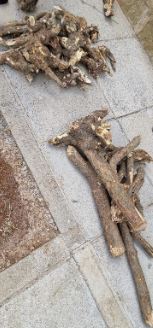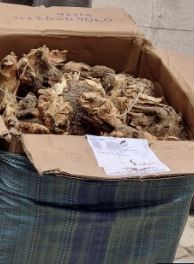
NAIROBI, KENYA – May 2, 2025 — In a significant step toward dismantling illicit wildlife trafficking networks, the High Court of Kenya has ordered the forfeiture of two vehicles linked to the illegal trade of sandalwood. The judgment, delivered by High Court Judge Musyoki, marks an important moment in Kenya’s fight against natural resource crimes and highlights the power of civil asset recovery in combating organized environmental offenses.
The two vehicles, registered under the name of Morris Maina Njunguna, were determined by the court to have been acquired using proceeds from the trafficking of sandalwood—an increasingly targeted species due to its high value in traditional medicine and cosmetic markets, particularly in Asia. According to affidavits and multiple hearings, the court concluded it was “more likely than not” that the vehicles were purchased with illicit funds and used to support criminal operations.
Maina, a known transport broker, played a key role in two major investigations—Operation Kifaru and Operation Kiboko— launched in 2021 and 2022 by the now-disbanded Kenya Wildlife Task Force (KWTF) with support from Focused Conservation. Maina operated as an intermediary, shielding key traffickers by hiring legitimate transport companies to move illegally harvested sandalwood from Nairobi to Busia, a major transit point near the Ugandan border.
Although Maina was acquitted in the criminal trial, where the burden of proof is “beyond reasonable doubt,” Kenya’s Asset Recovery Agency successfully pursued the matter through civil forfeiture under Section 53A of the Proceeds of Crime and Anti-Money Laundering Act (POCAMLA). In civil proceedings, a lower burden of proof—“on a balance of probabilities”—was sufficient to seize the assets.
“This ruling sends a powerful message to those who profit from environmental crime,” said David Ward, a Focused Conservation Technical Advisor. “Even when criminal convictions are difficult to secure, the law still provides avenues for justice. Asset forfeiture is a valuable tool in depriving traffickers of their ill-gotten gains.”
The sandalwood black market has become a growing concern across East Africa. Kenya banned sandalwood harvesting and export over a decade ago, but poaching continues due to international demand.
The ruling also underscores the lasting impact of the Kenya Wildlife Task Force’s work, despite its recent disbandment due to funding shortages. “The investigations conducted by the KWTF—mentored and supported by Focused Conservation—continue to produce results, even after the team’s closure,” said Wim Brown, CEO of Focused Conservation. “This case demonstrates what committed, well-trained teams can achieve with the right resources.”
Focused Conservation remains committed to supporting similar enforcement efforts across Africa and urges the global community to increase its investment in combating wildlife and forest crime.