Yola, Nigeria — June 27, 2025
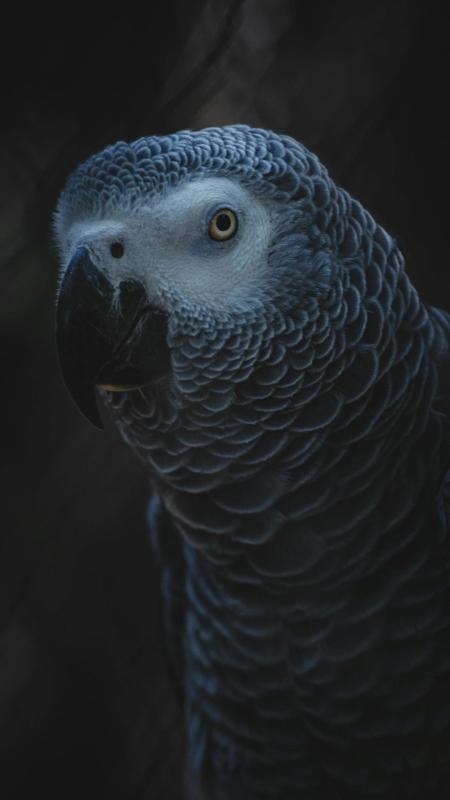
In a major victory for wildlife and border enforcement, the Nigeria Customs Service (NCS) Special Wildlife Office (SWO)—a specialized unit initiated and mentored by Focused Conservation—intercepted 111 live and 9 dead African grey parrots at the Gurin border crossing with Cameroon.
The parrots, one of Africa’s most trafficked bird species due to their intelligence and ability to mimic human speech, were discovered crammed into poorly ventilated wooden boxes, leading to the death of nine birds due to extreme stress and suffocation. Swift action by SWO officers, bolstered by technical support from Focused Conservation, ensured the surviving parrots were rescued and stabilized.
In coordination with the World Parrot Trust, arrangements are now underway to provide specialized care and rehabilitation for the rescued parrots. The effort reflects the strength of cross-border and cross-sector collaboration in protecting vulnerable species.
This operation was made possible by ongoing mentoring and coordination provided by Focused Conservation’s Technical Advisor, who continues to work side-by-side with SWO teams to develop operational capacity. Additionally, the distribution of Focused Conservation-supported wildlife trafficking awareness posters and flyers at key border points played a vital role in sensitizing officers and the public to signs of wildlife smuggling.
“This case not only highlights the brutality of the illegal wildlife trade, but also the increasing overlap between wildlife and narcotics trafficking,” said William Brown, Focused Conservation CEO. “It underscores the urgent need for integrated enforcement strategies and well-supported wildlife crime units like the SWO.”
The seizure is part of a growing trend in Nigeria and across West Africa where customs and wildlife enforcement teams are confronting transnational organized crime that spans from illegal logging and wildlife trade to drug smuggling and financial crime.
As Focused Conservation continues to support these frontline efforts through mentoring, training, and strategic coordination, operations like this offer hope—not just for the animals rescued, but for a future where wildlife crime is no longer low-risk and high-reward for traffickers.