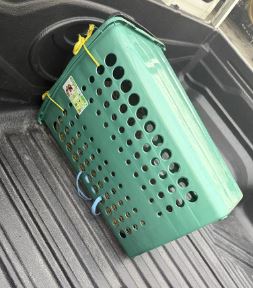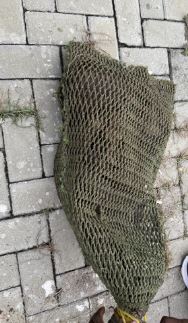
June 10, 2025 | Lagos, Nigeria — A sophisticated, intelligence-led investigation by the Nigeria Customs Service Special Wildlife Office (SWO), supported by Focused Conservation and Nigeria Customs Police, has disrupted a transnational wildlife trafficking syndicate operating between Cameroon and Nigeria. The targeted group was actively involved for years in the illegal trade of live pangolins—one of the most trafficked mammals in the world. This investigation was dubbed Operation Baobob.
After weeks of covert engagement, operatives from the Special Wildlife Office (SWO) successfully established undercover contact with a wildlife trafficker based in Cameroon. Gaining his trust, the trafficker agreed to smuggle five live pangolins across the border into Nigeria. Following the exchange of photographs to confirm the animals’ condition, a meeting was arranged with buyers—however instead he was met by the officers of the SWO. The operation was set for June 8, 2025.
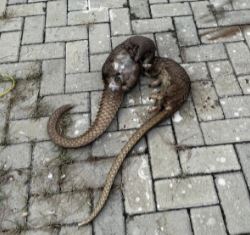
The trafficker initially claimed the transport would take just 1.5 days and guaranteed that all five pangolins would arrive in healthy condition. However, due to disruptions caused by a national public holiday in Nigeria, the journey took over three days. Tragically, three of the five pangolins died during the prolonged transport.
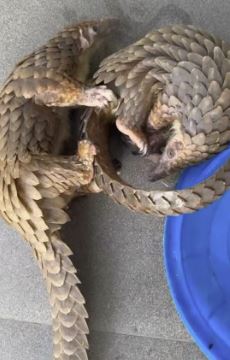
Upon arrival and contact with the operative, the trafficker was immediately arrested by SWO officers. The two surviving pangolins, along with the three deceased animals, were seized as evidence. Further investigative work by the SWO team led to the identification and arrest of the trafficker’s daughter, who had earlier presented herself as the marketing arm of the illegal operation. She was detained after meeting with the same SWO operative in Lagos.
The surviving pangolins were swiftly transferred to Green Fingers Wildlife Conservation Initiative, where they are receiving emergency veterinary care. Conservationists remain hopeful the animals will recover and, in time, be rehabilitated and released back into the wild.
“This case highlights the growing professionalism and impact of Nigeria’s dedicated wildlife crime unit,” said Rob Asbury, Director of Wildlife Crime Units at Focused Conservation. “Despite the tragic loss of three pangolins, this operation demonstrates what can be accomplished through persistent undercover work, cross-border intelligence sharing, and well-coordinated enforcement.”
Nigeria remains a key trafficking hub for pangolin scales and live animals destined for illicit markets in Asia. Focused Conservation continues to work alongside the Nigeria Customs Service SWO to strengthen operational capacity, support real-time intelligence efforts, and promote accountability through prosecution.
As pangolin populations continue to plummet globally due to poaching and trafficking, successful interventions like this one are a vital step toward dismantling the networks that profit from their exploitation.