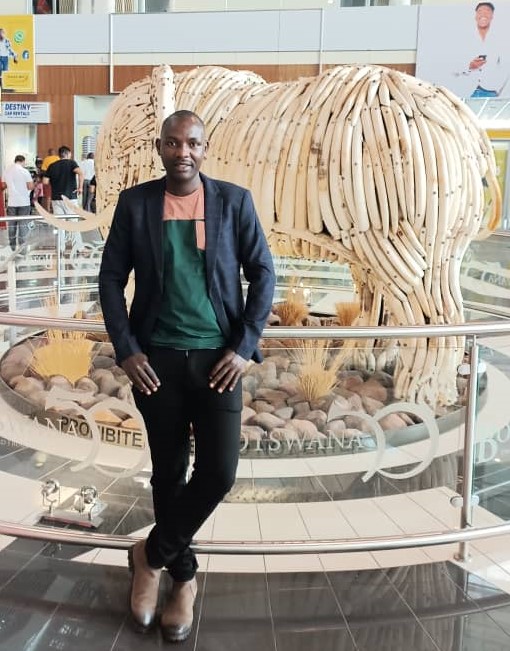
In the heart of Uganda’s vast wilderness, where the struggle between conservation and exploitation rages, one man stands at the intersection of law and nature. Latif Amisi, a seasoned ranger turned prosecutor, has dedicated his life to defending Uganda’s rich biodiversity. His story is one of resilience, courage, and an unyielding commitment to justice in the face of overwhelming odds.
From the Wilds of Kibale to the Courtrooms of Kampala
Latif Amisi hails from Kapchorwa Municipality and earned a bachelor’s degree in Public Administration and Management in 2010. However, his journey took a significant turn in 2015 when he joined the Uganda Wildlife Authority (UWA) as a traditional park ranger. Armed with basic paramilitary training, his first assignment took him to the Kibale Conservation Area, known for its breathtaking wildlife and now dubbed the “Tourism City” of Fort Portal.
His duties as a ranger were demanding and varied—conducting patrols, managing park boundaries, and sensitizing local communities about conservation. But it was during his deployment at Toro Semuliki National Park that Latif’s strength was truly tested.
One fateful day, Latif and his colleague returned from an early morning patrol looking for poachers to find their outpost overrun by an angry mob, led by the Resident District Commissioner (RDC) of Ntoroko District. The group, armed with pangas, hoes, and spears, was ready to exact revenge on any ranger they found for the rumored killing and alleged secret burial of a community member within the park’s boundaries. With tensions high and the threat of violence looming, Latif bravely confronted the mob, managing to defuse the situation until reinforcements arrived to secure the outpost.
Two days later, while heading into the community to purchase food, Latif was stopped on the road by a woman who warned him of an ambush that had been set up ahead to kill him in retaliation for the incident at the outpost. Thanks to the warning, Latif was able to return safely to his post without incident.
This harrowing experience shaped Latif’s resolve and his future path in wildlife law enforcement. After a series of transfers and further encounters with the dangers of the field, Latif was awarded a scholarship by the Uganda Conservation Fund (UCF) to pursue a diploma in law. Graduating with honors in 2017, he transitioned from the frontlines of conservation to the legal battlegrounds of Kampala, where he now serves as a prosecutor at the Wildlife Court.
A Relentless Defender of Wildlife
Latif’s background as a ranger provided him with a unique perspective as he stepped into the courtroom. He had witnessed firsthand the devastation caused by poachers—the sight of animals caught in wire snares, limping and suffering, left an indelible mark on him. This fueled his determination to pursue justice with unrelenting vigor.
Since 2018, Latif has been at the forefront of prosecuting wildlife crimes, achieving a remarkable 97% conviction rate. His most notable success came in 2022 when he secured a life sentence for a notorious ivory trafficker. This case was particularly challenging, as the offender was a habitual criminal who had evaded justice for years. Through meticulous gathering of digital evidence, including recorded conversations and video footage, Latif and his team built an airtight case that left no room for doubt. The convict’s attempts to deny the charges were crushed by the overwhelming evidence presented in court.
Latif credits much of his success to the dedicated Uganda Wildlife Crime Unit (UCWU), mentored by Focused Conservation. As the prosecutor for the cases generated by the UCWU, Latif and the team have embraced the use of forensic in their prosecutions. By analyzing digital evidence, they have been able to dismantle trafficking networks and bring kingpins to justice. Latif’s work has highlighted the critical role of technology in modern conservation efforts, showing how phone analysis and digital trails can link offenders to their crimes.
The Evolution of Wildlife Law in Uganda
Uganda’s legal framework for combating wildlife trafficking has evolved significantly in recent years, a transformation that Latif has witnessed firsthand. The enactment of the 2019 Wildlife Act brought about stronger penalties for crimes such as poaching and trafficking, including life imprisonment and hefty fines. The Act also expanded the list of protected species, reinforcing Uganda’s commitment to preserving its natural heritage.
Despite these advancements, challenges remain. Corruption, limited resources, and the persistent threat of wildlife trafficking continue to pose significant obstacles. But Latif remains undeterred. He advocates for the continued strengthening of wildlife laws, the establishment of sentencing guidelines to ensure consistency in punishment, and the confiscation of assets obtained through illegal wildlife activities.
In the courtroom, Latif continues to encounter the ruthless trafficking of wildlife, much of it destined for markets in Asia. Elephant poaching, ivory trafficking, pangolin scales, African grey parrots, big cat skins, and bushmeat trade remain persistent issues. Latif notes that many of these cases involve organized crime networks where corruption and smuggling of wildlife through Uganda’s ports persist.
Looking Forward: Hopes and Goals
As Latif looks to the future, his hopes for Uganda’s wildlife conservation efforts are clear. He aims to increase conviction rates for wildlife crimes, enhance collaboration among agencies and NGOs, and raise public awareness about the importance of protecting wildlife. He also envisions a legal system where robust sentencing guidelines and asset forfeiture become standard practice, and where prosecutors, investigators, and judicial officers are equipped with the training and resources they need to effectively combat wildlife crimes.
But perhaps most importantly, Latif seeks to foster a cultural shift in societal attitudes toward wildlife. He dreams of a Uganda where communities are fully engaged in conservation efforts, where the value of wildlife is recognized and cherished by all. By working with Focused Conservation and the UWCU team, Latif is not just prosecuting criminals—he is building a legacy of justice, one that he hopes will inspire future generations to continue the fight for Uganda’s precious biodiversity.
Latif Amisi’s journey from the bush to the courtroom is a testament to the power of determination and the impact one individual can have on the future of wildlife conservation. His story is a reminder that the fight to protect our planet’s natural treasures is far from over, but with dedicated individuals like Latif leading the charge, there is hope for a brighter, more sustainable future.
This is part of our ongoing “Stories from the Bush” series, where we highlight the incredible work of those on the frontlines of wildlife conservation. Stay tuned for more inspiring stories from the field.